Why Are French Doors Great, But Not Actually French?

If you feel like your home needs an external makeover, the fact that the start of spring is just over a month away makes now a great time to start making plans.

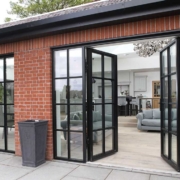
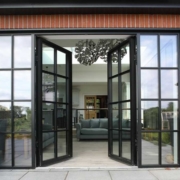
Among the options to improve the connection between the interior and the exterior is the installation of aluminium French doors. These offer some great attributes:

·       They combine the functions of doors and windows, enabling you to have a clear view in or out when closed

·       They offer easy access to the outdoors on a nice sunny day

·       The use of aluminium adds endurance and a modern touch to a style that has stood the test of time

French doors may have been popular for a long time because of this versatility and aesthetic quality, but an examination of their history brings a curious discovery: They are not actually French.

Where Did French Doors Really Originate?

In fact, the idea began in Italy during the Renaissance period of the 16th century, where they offered lots of light for buildings and easy access to balconies.

However, this was also the time of the Italian Wars, which saw the French and Spanish armies fighting over the various Italian states (which were not unified into one country until the 1870s). One of the spoils of war was the introduction to France of these novel windows.

Thereafter, the misnomer took root and so we have the misleading term to this day.

However, just as French fries don’t taste any different just because they aren’t French, neither does this make these doors any less of a stylish addition to your home.

Indeed, they offer some great advantages over the alternative windows you could have. For example, unlike sliding patio doors, they do not leave some part of the frame in the way at all times, so there is a clearer view outside.

French or not, a set of these doors could be a great addition to your home.

What Is Curtain Walling?

If you are renovating a property and are looking for a way to enhance the amount of natural light that enters your home, curtain walling could be the solution you’re looking for. 

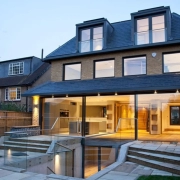
Curtain walling is a term that refers to glazed walls – or sections of walls – in a building. While it has traditionally been associated with commercial properties, more and more homeowners are exploring its use to create sleek, modern homes that let in plenty of light. 

In fact, introducing more daylight into your property is a great way to improve your overall wellbeing. Increased levels of natural light in spaces has also been found to improve productivity and creativity.

How insulating is curtain walling?

An aluminium curtain walling system can be just as well-insulated as more standard windows. Triple glazed panes can be used in curtain walling features, ensuring that your home is thermally insulated as well as insulated from unwanted noise. 

In fact, our triple-glazed aluminium curtain walling system is so thermally efficient that it is even suitable for use in low-energy or passive house properties. 

How do you maintain curtain walling?

It is very simple to keep curtain walling clean and in good condition. Regular cleaning with a damp cloth will ensure your glazing stays clear, while the aluminium frames themselves need very little maintenance. 

We offer a ten-year guarantee on all our curtain walling systems, which demonstrates how confident we are that they will stand the test of time when fitted by one of our experienced aluminium window installers. 

How does ventilation work with curtain walling?

Our curtain walling systems are designed to be versatile, which means our team can work with your architect to ensure that appropriate vents are integrated throughout the glazed sections of your home. 

This will allow you to let fresh air into your home, while maintaining the sleek appearance and security that our aluminium curtain walling systems provide. 

aluminium curtain walling

Why Are Roof Lanterns Great At All Times Of The Year?

If you want to get more natural light into your home, there are various ways of doing it. Larger windows, skylights and flat glass roof lights are among the ways you can do it.

The use of roof lanterns to provide extra light might not be the first thing you consider, but these products, while less familiar than things like skylights, can offer some great solutions to your desire to get more natural light streaming into your home.

Specific advantages of them include:

·       The offer an attractive focal point

·       Their angles allow more sunlight in

·       Their size can vary according to roof space and other requirements

·       They are insulated and energy-efficient

·       They can increase the value of a property

Lanterns can also be a bit more flexible than some products, as they do not require a flat roof, unlike a flat glass roof light, while they can even be fitted onto roofs with a few awkward and unusual angles, so they can suit a house with an unconventional shape.

Why Are Aluminium Frames On Roof Lanterns An Advantage?

Being made with lightweight aluminium frames, they are not chunky around the edges and this allows more light in than if materials like PVC were used, as well as helping them last longer and be more durable against weathering over the years.

The material used can make a significant difference. In recent years, it has been argued that the use of PVC in glass-dominated structures around the homes, such as conservatories, has actually lowered house values as they can soon look tacky and dated.

Instead, with classy aluminium and that all-important benefit of greater energy efficiency, roof lanterns offer a superb addition to the house that is invaluable throughout the year, helping to let loads of natural light in during summer days, while helping keep it insulated in the cold days of winter.

Can You Install Aluminium Windows On Any Property?

If you are considering replacing your windows, you will want to ensure that the style of window you choose will fit with the aesthetic of your home. There are many options available – including UPVC and wood – but we believe aluminium windows are an excellent choice in most situations. 

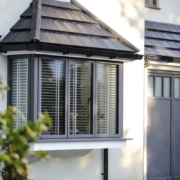
Like other materials, aluminium windows come in a variety of styles, including the traditional casement design. This is common on many homes in the UK, but it is also a design that can be tailored to suit individual properties and needs. 

Because we design aluminium windows for each customer, you can rest assured that the new windows you choose will suit the aesthetic of your property. 

If you had steel frame windows in your property originally, aluminium is the logical choice to replace them because window frames made from this metal replicate the slimline design of the original, making it a seamless switch. 

Of course, aluminium framed windows also look fantastic in modern properties – it is such a versatile material that it can work in almost any setting. 

Should you wish to make a real statement with the glazing on your home and have an entire wall glazed, for instance, aluminium curtain walling is an excellent choice. This can work well on residential properties, such as apartments, where you perhaps want a glazed wall with bifold doors that lead out onto a balcony or terrace. 

If you live in a period property, it’s important that you check whether the building is listed before you contact an aluminium window installer to get started on replacing your windows. This is because you will need permission from your local planning authority to make any changes to the exterior elements of your home. 

That doesn’t mean that aluminium windows are automatically excluded in such situations though, because it will depend on why your property is listed and what features need to be preserved as part of that listing. 

The Truth Behind The Most Common Myths About Aluminium Doors

A growing number of homes are using aluminium doors, either for the back door leading to a garden, conservatory or veranda, but increasingly for front doors and around the house.

The main reasons why they are so popular are a mix of practical and aesthetic; the thin and lightweight yet highly secure and durable aluminium material is perfect for secure exterior doors, whilst the increased amount of glazing they enable allows for ideal daylighting potential.

Despite this, there are some myths, misconceptions and antiquated assumptions about aluminium that it is important to address. Here are three of the biggest, and what the truth really is about them.

Aluminium Frames Are Aesthetically Versatile

Aluminium as a construction material originated in more commercial and industrial builds, and because of this, early versions had a bit of an industrial aesthetic.

This is not true anymore for a few reasons, not least of which being that industrial design is massively popular these days in the wake of the rise of design movements such as shipping container homes.

Beyond the fact that industrial design is having a moment, aluminium is minimalist, sleek and available in a range of colours and finishes, many of which help to reduce any semblance of its industrial roots.

Aluminium Doors Provide Fantastic Insulation

In the past, aluminium doors were considered to lead to draughts and heat loss, but that was primarily a case of blaming the frame for what the window was causing.

Advances in double glazing mean that aluminium frames can sometimes be better for insulation than other options, particularly in the long term.

Aluminium Doors Are Highly Secure

Looks can be deceiving, particularly when it comes to glass and lightweight frames, but our frames and glass are strong, integral blinds can help to provide privacy and feature multi-point locking mechanisms which are rated up to EN 1627 Resistance Class 2.

Who Invented The Veranda And How Did It Get Popular In The UK?

Contemporary garden design is focused intently on the transitional spaces between indoor and outdoor locations.

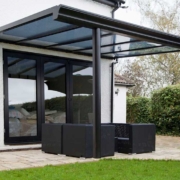
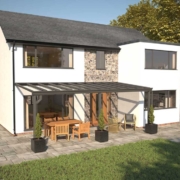
One of the best ways to have an outdoor space you can enjoy year-round is with a glass veranda, which provides cover and shelter for an outdoor dining area or even a winter-friendly garden.

The term veranda is Indian in origin, based on the Spanish word baranda (for railing) and builds on the importance of an indoor-outdoor transitional space on the Indian subcontinent, a region with intense heat, humidity and intense monsoon seasons.

It is important not only for physical comfort but also as a place of community and togetherness. These elements would inspire their adoption in Victorian-era houses outside of early exceptions such as The Vyne.

To this day, they have remained popular in homes with a suitable front or back entrance to install one.

However, the concept is far older than this and is believed to have originated in Ancient Persia. The Apadana Palace in the ancient city of Persepolis is believed to have featured an open veranda, described as unique amongst the palace buildings of the Persian Empire.

From here, the veranda transformed into the Ancient Greek portico, a columned porch or veranda that was a major design component of temples throughout Hellenic Greece.

When the Romans invaded and conquered Greece, they integrated a lot of their technology, their culture and their architecture into theirs, spreading it far and wide across their empire.

The first revival of the veranda came in part due to the Renaissance, which led to a revival of Roman and Greek artistic and architectural movements.

The Vyne, made in the 16th century, is the first adoption of this revived portico veranda style in England, but it would take until the Indian veranda for it to become a staple in English homes.

Why Insulated Windows Matter Even As Summers Heat Up

If you are looking to install new windows in your home this summer, there are priorities that might be easily overlooked amid the summer heat. In particular, it may be very easy to ignore the importance of good insulation.

This is one good reason for fitting aluminium windows, as they can be combined with a wide range of insulating measures to help keep the heat in on a cold day.

For those who already have aluminium frames but no insulation, various DIY measures can achieve this effect. They include fitting rubber strips, adding spray foam insulation and applying window frame sealant.

However, there is no point in getting aluminium-framed windows fitted without insulation and then doing a DIY job on them. Instead, you can have the insulation built into them from the outset, ensuring that as soon as they are in place, they can keep your home warm.

A reason some may not think of insulation as being so important is the need to try to keep the home cool during the hot summer weather, something many would suggest needs to be more of a priority as the climate gets warmer.

However, that approach falls foul of a problem that homes in hotter countries face in reverse, Australia being a prime example.

Homes down under are designed to handle the heat, which means they are better at staying cool in their hotter summers than British homes. That means even though our temperatures in summer are generally colder, we will feel hotter inside.

However, the other side of that coin is that Australian homes are not well insulated against colder weather, which means they are some of the least well-equipped for dealing with cold weather.

One article noted that even a Canadian, coming from a country with some bitterly cold winters but homes equipped to handle them, had never felt colder indoors than in the Australian winter.

Given that our winter days are still significantly colder than those in Australia, there is no good reason to neglect insulation. However warm our summers get, we will still need it a few months from now.

What Are The Biggest Benefits Of Aluminium Sliding Doors?

There is a minimalist beauty in brushed aluminium and choosing to have sliding doors professionally installed not only makes an aesthetic statement but provides a wide range of practical benefits.

Whilst there is evidence of sliding doors being used as early as first century Pompeii, sliding doors provide a sleek, modern style that complements a wide variety of different types of homes and interior design styles.

In particular, they are particularly effective for daylighting; as many sliding metal doors have quite substantial windows, they allow for a lot of natural light, which helps make a room feel airy and spacious.

Sliding doors are designed with the best use of space in mind. Unlike other types of doors which necessarily require a lot of space in your patio, garden or balcony to ensure they can be used effectively, sliding doors can provide a wide opening without losing any space in the other room.

Security is paramount with external doors, and aluminium doors are often designed with highly advanced security features in mind.

Sliding doors are compatible with multipoint integrated locks, security glass and advanced alarm systems, giving you peace of mind when you lock them.

Many patio, garden and balcony designs try to merge indoor and outdoor spaces, usually by bringing greenery in, and the best way to make the transition from interior to exterior parts of your home seamless is through the use of sliding doors. This is particularly effective with conservatories, orangeries and verandas.

Aluminium is easily coated or painted, which allows you to have any type of finish you want from the handles and the metal frame to the glass itself, which allows you to add a personal touch to your home.

Finally, sliding doors are typically very easy to open. The smooth rails and easy-to-use handles mean that there is a lot less effort involved in opening and closing a sliding door than a conventional one.

Is It Time To Replace Your Windows?

When you’re a homeowner, renovations like replacing your windows might seem like a big job. For many of us, it’s tempting to make do with our current glazing, but there are several reasons why now might be the time to consider upgrading your windows. 

An obvious sign is if your current window frames are degraded, which means they no longer create a seal and therefore let draughts into your home. This could be seriously affecting the energy efficiency of your property and costing you more in heating bills. 

Depending on how old your home is, your existing window frames may have warped or become misaligned. Often the first sign that this has happened is that your windows are hard to open or close. Sometimes this can be fixed, but on other occasions the best solution will be replacing the windows in question. 

Timber frames are particularly prone to warping, so if this is a problem you’ve experienced you might want to consider switching to windows with aluminium frames to prevent this from happening again. 

Even if your windows appear in good condition, if they are more than ten years old it might be worth getting a window installer to take a look to see if new windows could add more than you imagine to your home.

It’s not just a case of updating the aesthetics. As the HomeOwners Alliance notes, glazing technology has moved on a long way in the past decade, which means modern windows often perform much better in terms of their energy efficiency. This means they will make your home more comfortable, as well as ensuring the exterior looks as good as possible. 

Of course, if you still have single-glazed windows anywhere in your property, start here. These types of windows are far less energy efficient than their double or triple-glazed counterparts. You’ll certainly notice a difference in the temperature of your home and your energy bills if you replace these with more modern glazing. 

How A Glass Veranda Suits The British Summer Weather

The sunny and warm April has left many Britons wondering whether, given how nice this month has been, summer will be similarly glorious. Others might note that many a year has brought a lovely April and a distinctly damp June.

To think such thoughts is to acknowledge the reality of the capricious British summer, when it is not only hard to tell what the dominant theme will be, but what the weather might be like from one day to the next.

If venturing outside has got you thinking about how to equip the outside of your home, now may be a very good time to consider the virtues of a glass veranda.

As a means of cover, it has the benefit of enabling you to stay outside even when the weather is changeable, but also offers some great advantages when it is dry.

The reason for this is that it offers an alternative to the cover offered by a conservatory. The problem with the latter is that sometimes it can be very hot when the sun shines through the glass, baking you in the heat due to a lack of good ventilation.

Another common problem you can avoid is when a conservatory lacks the ventilation to filter out moisture. This can lead to condensation and black mould

There are things you could do to resolve such problems in a conservatory, but they can be expensive to fix and may recur. By contrast, the natural ventilation provided by a glass veranda will prevent this problem.

In the meantime, it makes a great cover for occasions such as when you might be outside with food, hosting a party with a buffet, or a barbecue. In such circumstances, this can be ideal for keeping off rain – and also anything else that may fall from the skies (think of passing pigeons or seagulls).

With low maintenance and high usefulness, a glass veranda may be just what your back garden needs.