
Are Aluminium Doors Affected By Heatwaves?

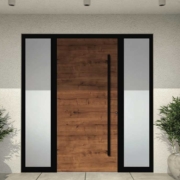
Following two heatwaves in as many months and forecasts predicting potentially the hottest summer since records began, heat resistance is a common question being asked by customers looking into an aluminium door installation.

Thankfully, everything that makes an aluminium door thermally efficient and effective at keeping the cold out in winter makes it just as effective at keeping the heat out during the summer, ensuring that the baking sun cannot get in through your aluminium doors and window frames.

However, one common frustration homeowners have with wood and uPVC doors is their tendency to expand in summer to the point that they can get stuck in their frames, making it quite annoying, if not impossible, to get out of a home until the weather cools down.

Do aluminium doors experience thermal expansion? They do, but to nowhere near the same degree and always within engineered tolerances, meaning that it will never affect your ability to smoothly open and close a door.

How is this the case? The key is engineered tolerances. Aluminium heats evenly across the entire surface, rather than wood, plastic or glass, which cause heat to concentrate on specific points.

Because this expansion is almost impossible to notice by eye, minimal even by engineering standards and uniform in nature, engineers, designers and installers can take that into account when setting up your door frames.

There is a very good chance that you will never notice your door expand, thanks to the seals and draught proofing you have in place already. They are typically made of flexible materials that are meant to cushion the expansion of your door and ensure they retain their shape and usability.

Finally, unlike certain types of wooden doors, aluminium doors do not permanently warp; once the temperature cools down, the aluminium shrinks back to its normal temperature without any lingering effects.


Windows And Acoustic Insulation: What Do You Need To Know?

When we think about insulation in relation to our windows and sliding glass doors, we often focus on their thermal insulating properties. This is why many of us choose double or even triple-glazing, to help keep the temperature of our homes more comfortable. 

However, it is also important to consider the acoustic insulation your windows and doors provide, especially if your home is near a road.

Although you might think of road traffic noise as an irritation and little more, there is evidence that prolonged exposure to road traffic noise can lead to a range of health challenges. 

These include oxidative stress, inflammation and chronic stress, as well as changes to our circadian rhythm which affects the quality of our sleep. 

How can your windows and doors help with acoustic insulation?

Certain windows and doors are designed to provide acoustic insulation, such as Cortizo Cor Vision sliding doors. 

This particular product is designed with high acoustic insulation which means not only will Cortizo Cor Vision doors help to keep noise from outside your home out, but they will also keep noise in your property from reaching your neighbours. 

Of course, this is provided that the doors are closed, but it is helpful to know that you can design your property specifically to reduce noise more effectively from your surroundings, without having to compromise on the levels of natural light in your home. 

What’s more, Cortizo Cor Vision sliding doors don’t compromise on thermal performance while providing superior acoustic insulation.

These doors have been designed to keep your home warm throughout the year, in addition to keeping it peaceful and quiet. There are various customisation options available in relation to the frames, ensuring that you can match these products to your interior seamlessly.

Cortizo Cor Vision doors are also made using recycled materials wherever possible, which makes them an environmentally friendly choice for your home too.